What to know about Bone Density Test: Early Detection for Stronger Bones
A bone density test is most useful when its result is interpreted with age, sex, fracture history, medicines, and other risk factors. Ask whether any supplements or clothing restrictions apply before the appointment, and bring prior scans for comparison.
The report does not replace a clinical assessment. A clinician should explain the T-score or Z-score and decide whether lifestyle changes, further tests, or treatment are appropriate.
Bone weakness often develops silently and may only appear suddenly as severe pain or an unexpected fracture. That’s why early detection is essential. Although many people refer to it as a bone density test, it is actually a precise imaging scan that measures bone strength and evaluates the risk of osteoporosis before injuries occur. For preparation and interpretation details, see the guide to X Ray At Home.
The process doesn’t stop at the test itself — accurate interpretation of bone density results provides you and your doctor with the right roadmap for prevention or treatment. With the advancement of home healthcare services, performing these tests and monitoring results has become easier through the medical services provided by Medcall.
What Is a Bone Density Test?
A bone density test, medically known as a DEXA scan or bone mineral density test, is a quick and painless procedure that measures bone strength and calcium loss. This test not only detects osteoporosis but also identifies osteopenia, an early stage before osteoporosis develops, helping you prevent fractures before they happen.
DEXA technology is considered the most accurate worldwide, as it compares your bone density with global standards to determine your risk level. With Medcall, you can now undergo testing and receive accurate interpretation of your results from the comfort of your home, along with medical follow-up to ensure comprehensive bone health evaluation. If direct clinical assessment is needed, the guide to Telemedicine Services in Egypt | Advanced Online Healthcare with Medcall explains which care route may fit.
Don’t wait for injury to occur. Contact Medcall today to book your home test and ensure your bone health.
لمعرفة المزيد عن Comprehensive Medical Checkup Cost in Egypt
When Do You Need a Bone Density Test?
A bone density test is important for evaluating bone strength and detecting osteoporosis early, especially in the following cases:
- Aging, which may reduce natural bone density
- Family history of osteoporosis or frequent fractures
- Previous fractures caused by minor falls or pressure
- Chronic diseases affecting bone health such as vitamin D deficiency or thyroid disorders
- Long-term use of certain medications like steroids or cancer treatments
- Low muscle mass or significant weight loss
- Early symptoms such as back pain or spinal curvature
Although this procedure is simple and safe, some precautions should be followed before the test to ensure accurate results and safety.
Precautions Before a Bone Density Test
To ensure accurate and comfortable results, follow these guidelines:
- Avoid calcium supplements 24 hours before the test
- Wear light clothing without metal accessories
- Inform your doctor about medications and health conditions
- Arrive early to reduce stress
- Avoid testing during pregnancy due to radiation exposure
Following these preparations ensures accurate bone density readings and safe evaluation.
For a convenient and accurate bone health assessment, Medcall offers home healthcare services with professional medical follow-up.
How Is a Bone Density Test Performed?
A bone density test is simple and painless, usually taking 10–20 minutes:
- You lie on your back on the examination table
- The scanner arm moves slowly over your body
- Low-dose X-rays measure bone strength
- The scan focuses on lower back and hips (sometimes forearm)
- The device converts absorbed radiation into precise data and images
This test identifies weak areas and helps determine whether preventive or treatment measures are needed. It is particularly helpful in evaluating bone density in women after menopause to reduce fracture risk.
Understanding Bone Density Test Results
After the test, results appear as numbers indicating bone strength compared to normal levels.
T-Score
- -1 and above: Normal bone density
- Between -1 and -2.5: Low bone density (Osteopenia)
- Below -2.5: Osteoporosis with increased fracture risk
Z-Score
This compares your bone density with people of the same age and gender and helps identify abnormal changes.
These values guide doctors in recommending lifestyle improvements or treatment plans. At Medcall, the medical team explains your results clearly and helps you take preventive steps.
Bone Density in Women
Bone density in women requires regular monitoring, especially after menopause. Reduced estrogen levels lead to gradual bone loss, increasing fracture risk.
Women are more likely to develop osteoporosis due to:
- Hormonal changes
- Calcium and vitamin D deficiency
- Lack of physical activity
- Family history of osteoporosis
- Increased bone loss after age 50
To learn more about bone density test pricing, contact Medcall today.
Tips to Maintain Healthy Bone Density
To maintain healthy bones and reduce osteoporosis risk:
- Eat calcium-rich foods and vitamin D
- Exercise regularly, especially strength training and walking
- Avoid smoking and alcohol
- Maintain a healthy weight
- Schedule regular bone density tests
- Take supplements if recommended by your doctor
- Prevent falls through balance exercises and home safety
Why Choose Medcall Home Healthcare Services?
Many patients seek accurate results with maximum comfort. Medcall provides integrated home healthcare services, allowing tests and evaluations without hospital visits.
Benefits of Medcall Services
- Home testing for comfort and convenience
- Continuous medical follow-up
- Qualified medical professionals
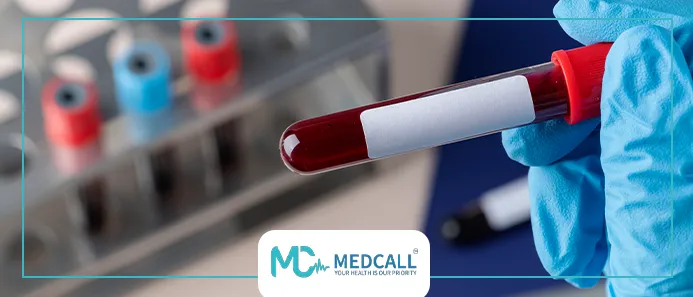
- Easy blood sample collection at home
- Home radiology services including bone imaging
- Elderly and special care patient support
- Physical therapy sessions
- High privacy and comfort
A bone density test is essential for early detection of osteoporosis and accurate evaluation of bone health. Understanding your test results helps you take preventive or treatment measures before complications develop.
For comprehensive evaluation and follow-up from your home, rely on Medcall’s home healthcare services.
Don’t wait for symptoms. Book your home consultation now and protect your bone health.
FAQ
What Is the Bone Density Test Called?
The bone density test is scientifically known as DEXA or DXA scan, a precise imaging test that measures bone mineral content and helps detect osteoporosis early.
What Tests Are Needed for Osteoporosis?
To diagnose osteoporosis accurately, doctors may request a bone density test along with blood tests for calcium and vitamin D, and sometimes thyroid function tests to identify the causes of bone loss.