
Kidney problems often do not show clear symptoms in their early stages, which makes regular testing an important step in maintaining overall health. Understanding kidney function through laboratory tests is essential, especially when looking for information about kidney enzyme tests and monitoring normal kidney function levels.
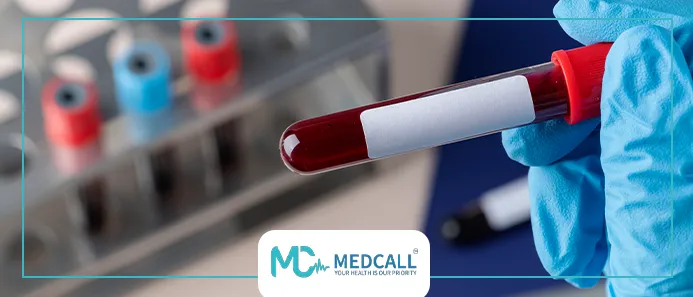
These tests help evaluate the kidneys’ ability to filter blood and remove waste, providing an accurate medical picture of your health. With Medcall’s home testing services, patients can enjoy a comfortable experience without the need to travel.
What Is a Kidney Enzyme Test?
The term kidney enzyme test is commonly used by patients to describe tests that measure kidney performance. However, the more accurate medical term is kidney function tests. These tests evaluate the kidneys’ ability to filter waste, remove toxins, and maintain fluid and electrolyte balance in the body.
These tests typically measure key indicators such as:
- Creatinine
- Blood Urea Nitrogen (BUN)
- Glomerular Filtration Rate (GFR)
- Urine tests for early detection of kidney disorders
If you are at risk of kidney problems, you can now perform a kidney enzyme test at home through Medcall’s healthcare services. Contact us today for accurate testing and professional evaluation.
لمعرفة المزيد عن Creatinine Blood Test

Why Is a Kidney Enzyme Test Needed?
Doctors recommend kidney function tests for several important reasons:
- Early detection of kidney disorders
- Monitoring chronic diseases such as diabetes and hypertension
- Evaluating the effect of medications on kidney function
- Diagnosing and monitoring chronic kidney disease
- Investigating symptoms such as swelling, fatigue, or changes in urine
These reasons highlight the importance of regular kidney testing for maintaining overall health.
Causes of Elevated Kidney Function Test Results
When creatinine or urea levels increase, it may indicate that the kidneys are having difficulty filtering waste. However, elevated levels are not always caused by kidney disease.
Temporary Causes
- Dehydration
- High-protein diet
- Intense physical exercise
- Pregnancy-related physiological changes
Medical Causes
- Certain medications such as antibiotics or painkillers
- Chronic diseases like diabetes and high blood pressure
- Kidney infections
- Kidney stones
- Acute or chronic kidney failure
Is High Kidney Function Dangerous?
Many people misunderstand test results. What actually increases is creatinine, which is a waste product normally filtered by the kidneys. When kidney function declines, creatinine levels rise in the blood.
Potential complications include:
- Fluid retention causing swelling
- Heart strain due to electrolyte imbalance
- Kidney failure if untreated
Medcall provides home sample collection and professional interpretation of your results.
Symptoms of Kidney Function Disorders
Some symptoms that may indicate kidney problems include:
- Swelling in feet or face
- Changes in urine color or amount
- Fatigue and weakness
- Loss of appetite and nausea
- Lower back or side pain
- Sudden high blood pressure
- Dry or itchy skin
Recognizing these symptoms early helps prevent complications.
How to Prepare for Kidney Function Tests
To ensure accurate results:
- Fasting is usually not required
- Record symptoms before testing
- Inform your doctor about medications
- Drink moderate amounts of water
- Avoid strenuous exercise
- Follow doctor instructions
- Stay relaxed during testing
These steps help ensure accurate kidney function evaluation.
Does Kidney Function Testing Require Fasting?
Generally, kidney enzyme tests do not require fasting. Blood samples can usually be collected at any time unless your doctor advises otherwise.
Types of Kidney Function Tests
Blood Tests
- Serum Creatinine
- eGFR (Glomerular Filtration Rate)
- Blood Urea Nitrogen (BUN)
- Electrolytes (Sodium, Potassium)
Urine Tests
- Urinalysis
- Albumin-to-Creatinine Ratio (ACR)
- 24-Hour Urine Collection
These tests provide a complete picture of kidney health.
Normal Kidney Function Levels
Normal values may include:
- Creatinine: 0.6 – 1.3 mg/dL
- BUN: 7 – 20 mg/dL
- GFR: Above 90 mL/min
- Urine Albumin: Very low or absent
- Uric Acid: 3.5 – 7.2 mg/dL (men, slightly lower for women)
Monitoring these values helps detect kidney problems early.
Tips to Maintain Healthy Kidneys
- Drink water regularly
- Follow a balanced diet
- Monitor blood pressure and blood sugar
- Avoid smoking and alcohol
- Exercise regularly
- Perform routine kidney tests
These habits help maintain long-term kidney health.
Why Choose Medcall for Home Testing?
Medcall provides convenient and reliable home testing services:
- Home kidney enzyme testing
- Accurate laboratory equipment
- Professional medical team
- Flexible home appointments
- Comfortable and private service
- Support for elderly patients
- Post-test medical consultation
Regular kidney enzyme testing and monitoring kidney function levels are essential for maintaining good health and detecting problems early. With Medcall home services, you can perform tests comfortably at home and receive professional medical evaluation.
Contact Medcall today to schedule your home test.
FAQ
What Is the Normal Kidney Enzyme Level?
Normal levels vary by age and health condition, but creatinine within the normal range typically indicates healthy kidney function.
What Are the Names of Kidney Function Tests?
Kidney function tests include creatinine, urea (BUN), and GFR measurements, along with urine tests to evaluate kidney performance.